

A Confession from a Relational Therapist
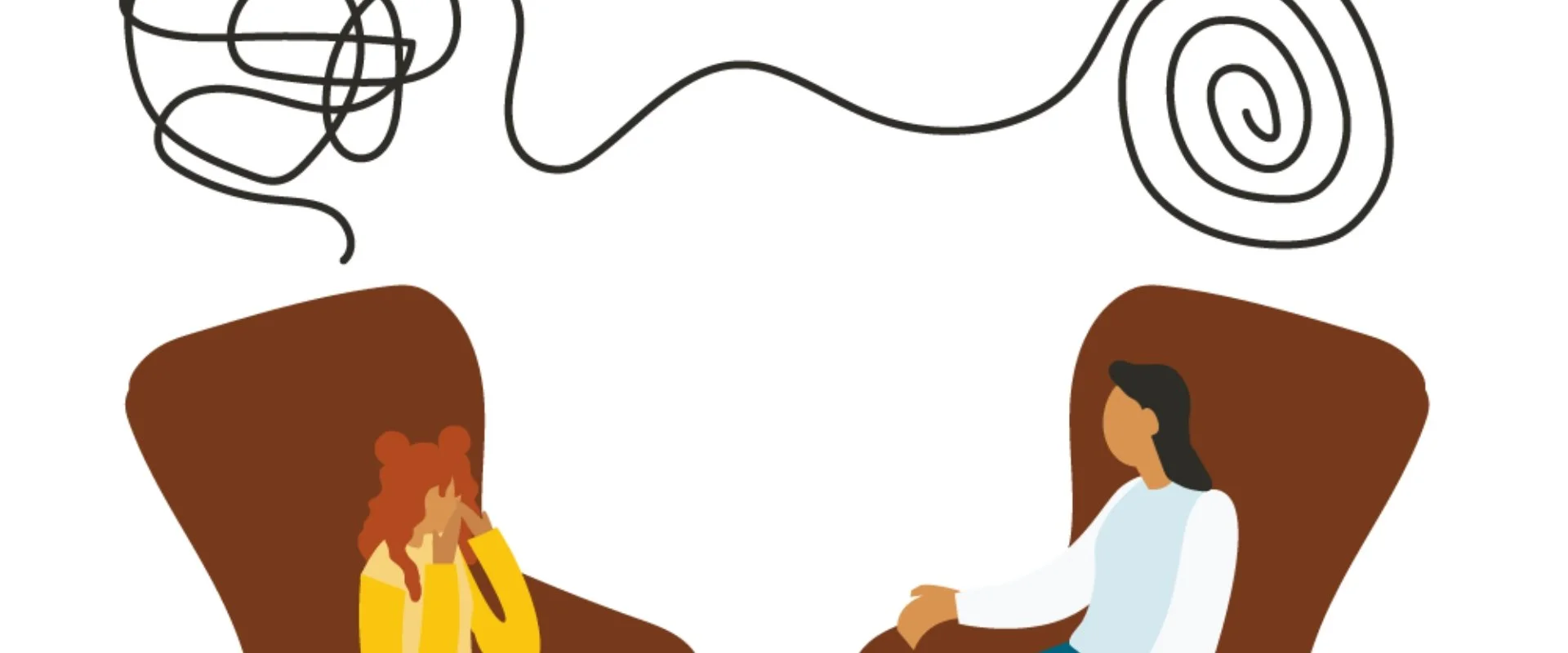
Connection is the remedy
Every now and then, I am reminded that I am not the right therapist for everyone.
One of the ways this reminder arrives is when I meet people who know a lot of “therapy vocabulary.” This happened again recently, which led to me reflecting on this experience. I noticed that I felt intimidated by them. They used a lot of fancy intellectual terminology about therapy-related topics in a short conversation, half of which totally went over my head and I just kinda pretended to know what they were talking about. Honestly, sometimes when I meet people like this in a professional context, I feel super nervous. I worry about telling people that I don’t necessarily know all the correct vocabulary for therapy terms.
I confess: I don’t know all the subtypes of attachment strategies/styles, and I don’t know all the different types of cognitive distortions. I do, however, have a good understanding of attachment theory and its application in relational therapy settings. I am also pretty practiced at calling attention to problematic thinking patterns.
Maybe there are some more vocabulary terms I need to learn, I can own that possibility. In fact, I agree that being able to name some of our experiences and know that this is a larger phenomenon can help us feel less alone about them. However, I tend to believe that it is not as important to know all the right words as it is to understand the bigger picture or the scaffolding of what makes you you.
Generally, when it comes to therapy and mental health reflection, we can become too focused on diagnostics. I don’t necessarily mean with the DSM-5, but even figuring out one’s exact attachment style or whether or not someone is displaying narcissistic tendencies. When we focus on self-categorization over self-understanding, we get lost in the terminology and specific theories and ideas instead of emotions, the process, and the experience of living in our bodies.
We lose sight of the fact that the point of therapy is not to name and categorize every single thing about ourselves but, at least in many cases, to understand ourselves better and make positive shifts in order to reduce inner conflict.
That self-understanding doesn’t always come from learning all the intellectualizing vocabulary. Sometimes we get closer to self-understanding by just feeling the sadness of something and holding that feeling together. Our therapeutic relationship becomes the source of healing and growth as we build trust, connection, and practice vulnerability.
Maybe this is my bias as a relational therapist, but I don’t believe that memorizing the terminology is of the utmost importance, or that my clients and I cannot make progress without that knowledge. I think a key way we grow is through having a safe and trusting relationship with each other. I swear I’m not just enabling myself so I don’t have to learn the right words! I really believe the connection is the remedy.
Learning about ourselves requires that we feel curious about ourselves, and curiosity requires us to feel safe enough to explore. That safety is best established, in my opinion, through a strong and supportive therapeutic relationship between client and clinician. People aren’t really interested in sharing the hardest things unless they feel a sense of kindness and care. My goal as a therapist is not to share the most clinical and esoteric vocabulary, but to cultivate an environment of kindness and care for people that they can treat themselves with as well.